In the spring of 2016, I was in Spain celebrating my wife’s birthday when I received an unexpected call from USATF. Apparently they added women to the 50K race at the IAAF World Race Walk Team Championships. Because of the added athletes, they needed another provider to help cover the event. Up until that point, I had not yet traveled with USATF. I had applied for a few years, but no luck so far. For this event, initially I was designated as alternate. So it was quite the surprise to get the last-minute invite.

To be honest, I knew nothing about race walk. I knew it existed, but I never experienced a race walk event before. My wife, who was originally from Romania, said she knew of race walking because her grandfather race walked back in the day. Aside from that, it was pretty much completely new to me. Regardless, I was stoked to have finally made a team! Even better, the event was held in the heart of Rome, Italy!
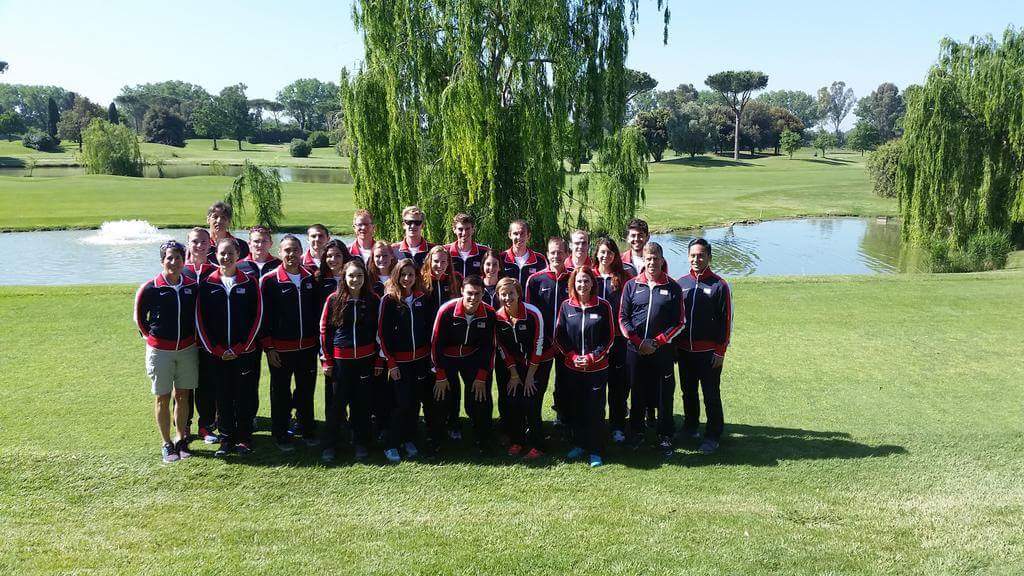
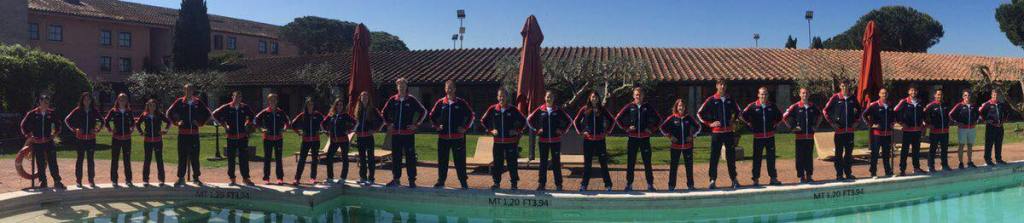
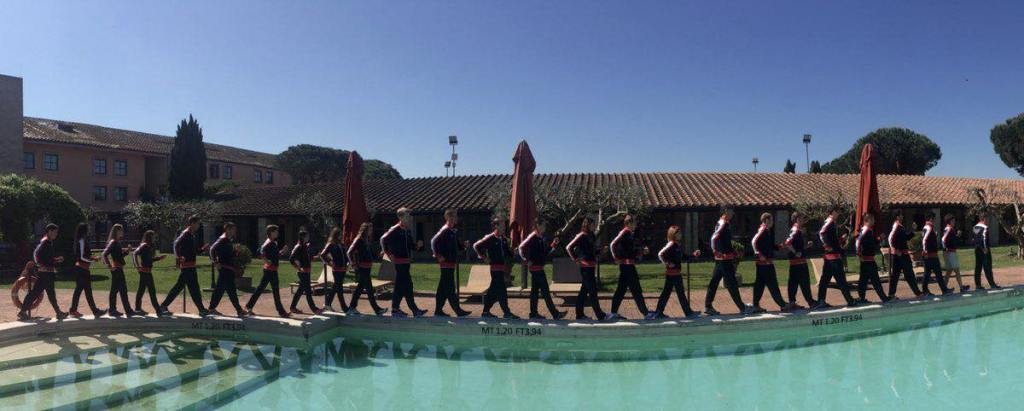
I met the team at a hotel just outside of the city. On the sports medicine side, it was just me and an athletic trainer, Dee. As we sat in the courtyard introducing ourselves, I had an interesting conversation with one of the assistant coaches. We talked about the usual stuff like, where we were from, what we did, and how long we have been doing it. When I mentioned I was originally from South Dakota, he kind of perked up and immediately asked, “Where in South Dakota?” I looked at him bewildered and asked, “Do you know South Dakota?” He nodded yes. So I responded that I was from Mitchell. The coach smirked and pointed to his shirt. He was wearing a polo with Dakota Wesleyan University emblazoned on his left chest. My jaw dropped in astonishment. Dakota Wesleyan was a small NAIA school located in my hometown. I spent a lot of time there as a kid. More importantly, my dad was both a team physician for the school and also the medical director of their athletic training program. He was so deeply involved with their school that he was even inducted into their athletics Hall of Fame! The coach chuckled and proceeded to tell me that his daughter was in the athletic training program and an All American in race walk at Dakota Wesleyan. What a small world! The ice was broken and I immediately felt at home, even though I didn’t know anyone quite yet.
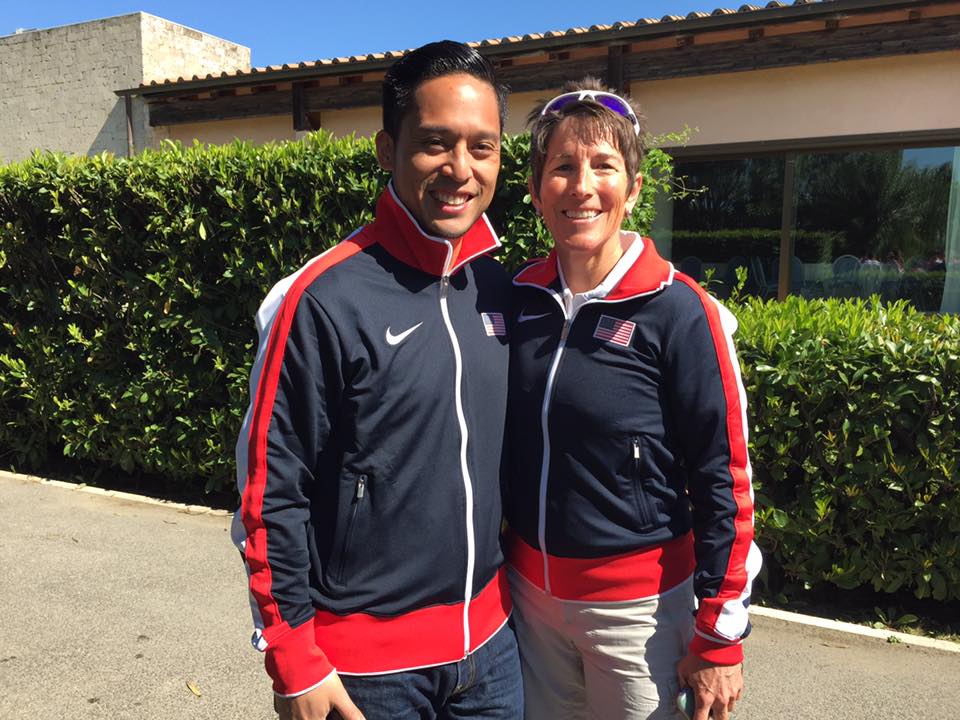
(Me and Dee)
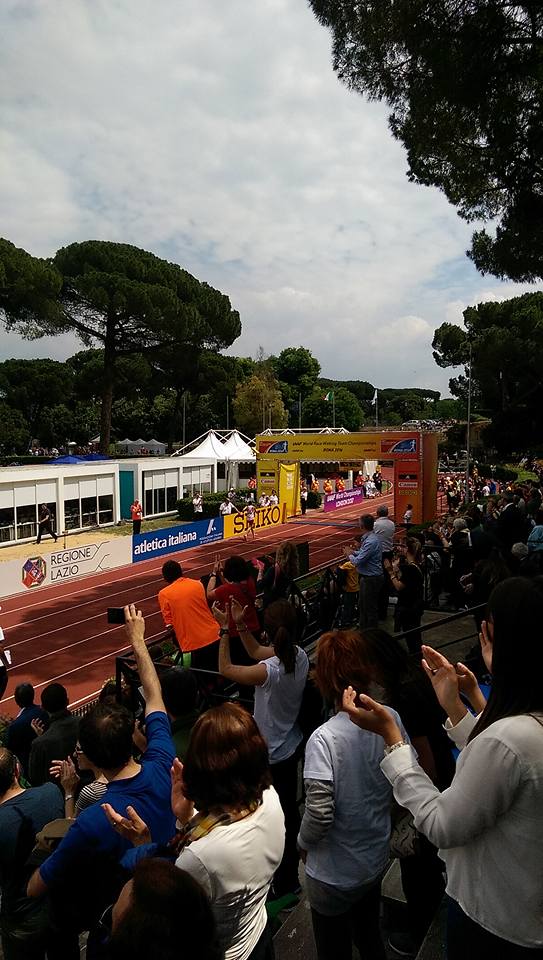
In Rome, the race distances ranged from the 10K to 50K. Much like watching a half or full marathon, these events lasted for long periods of time. The difference between race walk and most other long distance events was that they are usually held on 1K or 2K looped road courses. The loops allowed for much easier logistics. For example, whenever I saw any athletes struggling, I knew to keep an eye on them as they came back around.
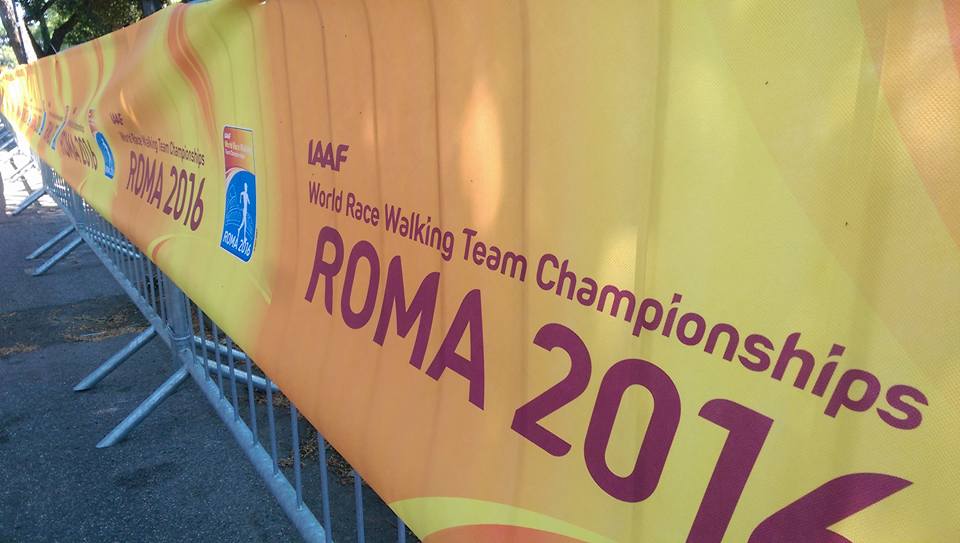
The rules for race walk may have changed a little bit since this event. However, I believe the core rules remain the same. One: they essentially are walking. So one foot must be on the ground at all times. Two: the knee must be straight or even hyperextended at heel strike. And three: the knee must remain straight or hyperextended until midstance. So no bending of the knee until that point in the gait cycle. I’m not an expert on the race walk form, but in the most general sense, these are the rules as I understand them. (If you’ve never tried it, it is very difficult to do for even a few steps, let alone for long distances.) When any of these rules are broken, the judges that are spread throughout the course flag the athlete. I believe 3 flags constitute a disqualification. Note: a judge can only flag the athlete once throughout the race. In my experience (I have covered a couple race walk events since), it is not uncommon for a portion of the athletes to be disqualified mid race due to rule infractions.
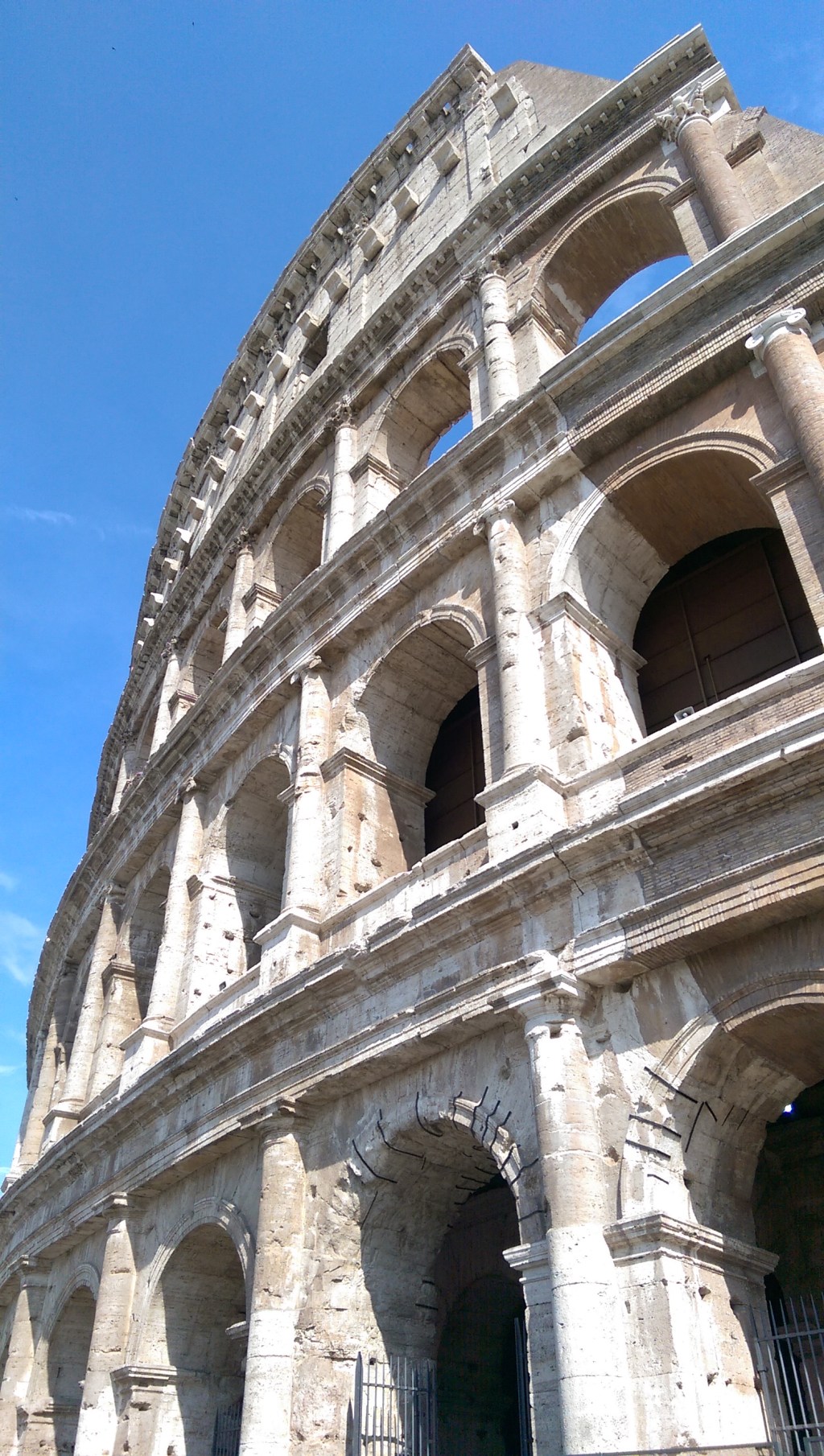
I’ve worked many distance events in the past. So I am used to being on my feet for the entirety of these long races. For race walk, it was great to see the athletes at multiple points of the race without having to move too often. What made this race so memorable is that this race started on a road near the foot of the Roman Colosseum and looped passed many of the Roman ruins. Only the end of the race finished inside of the track stadium. So it was absolutely a fun way to “see” Rome while working with USATF and the race walk athletes.
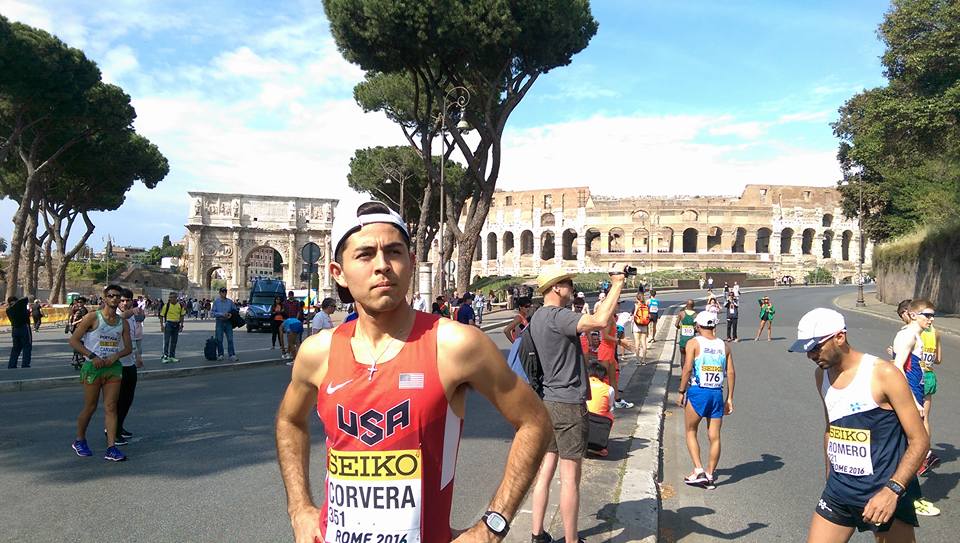
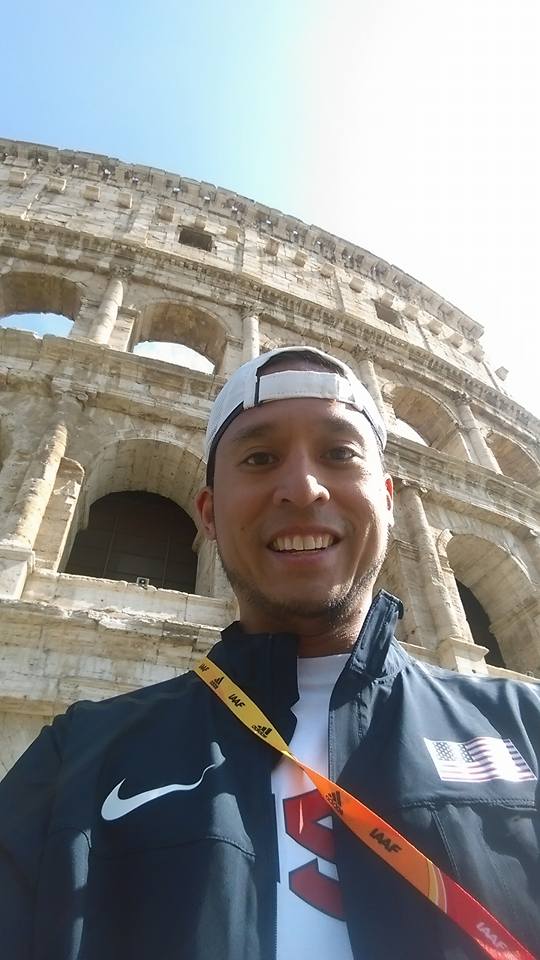
(Natos being Natos in front of the Colosseum)
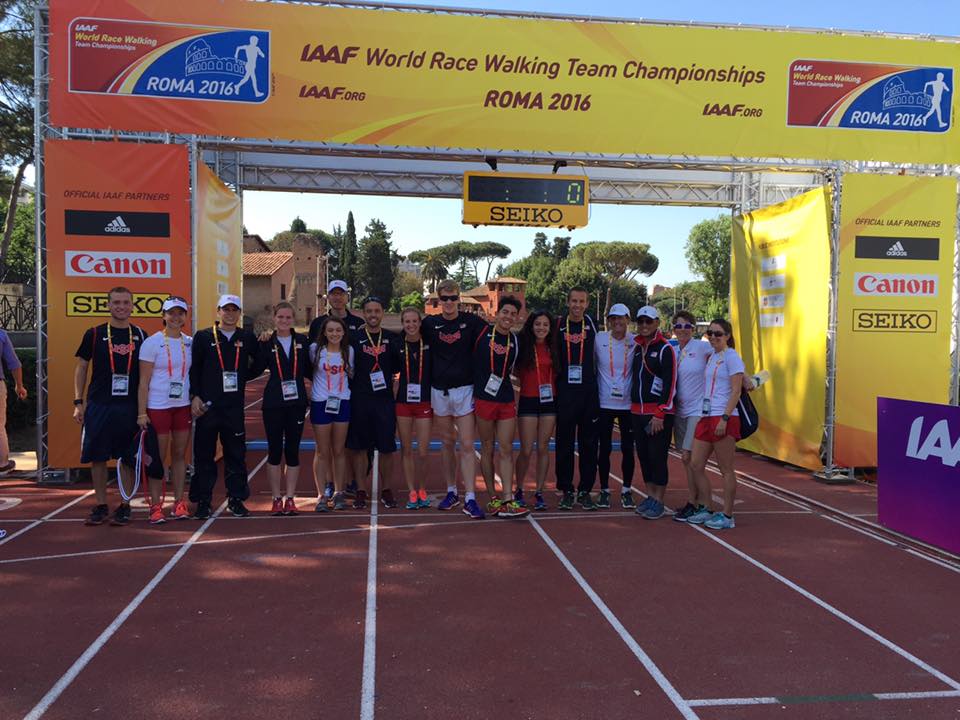
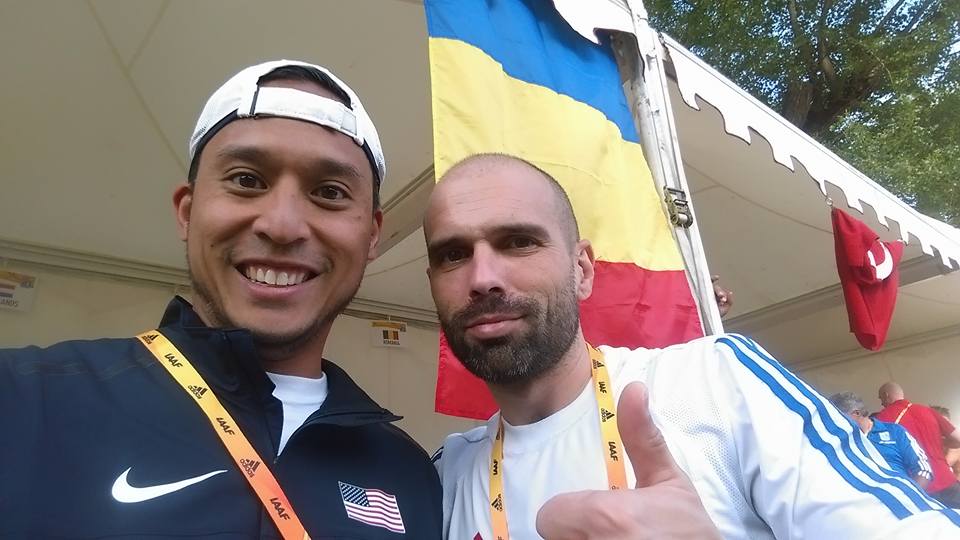
(With the Romanian physio)
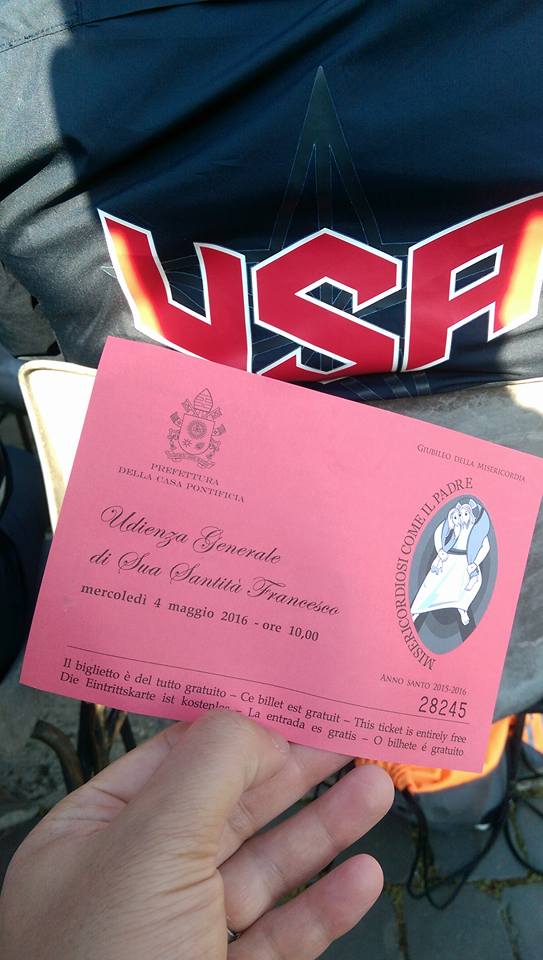
After the race was over, we had time to explore Rome. With the team, I was able to see the Pope perform mass at the Vatican, visit the Sistine Chapel, Trevi Fountain, Spanish Steps, and many other sites around Rome. It was great to get to know the race walk athletes. It was also a fun way to begin my journey with USATF. Seeing many of these athletes race walk faster than I can sometimes run, I left impressed and was glad to have been a part of their team!
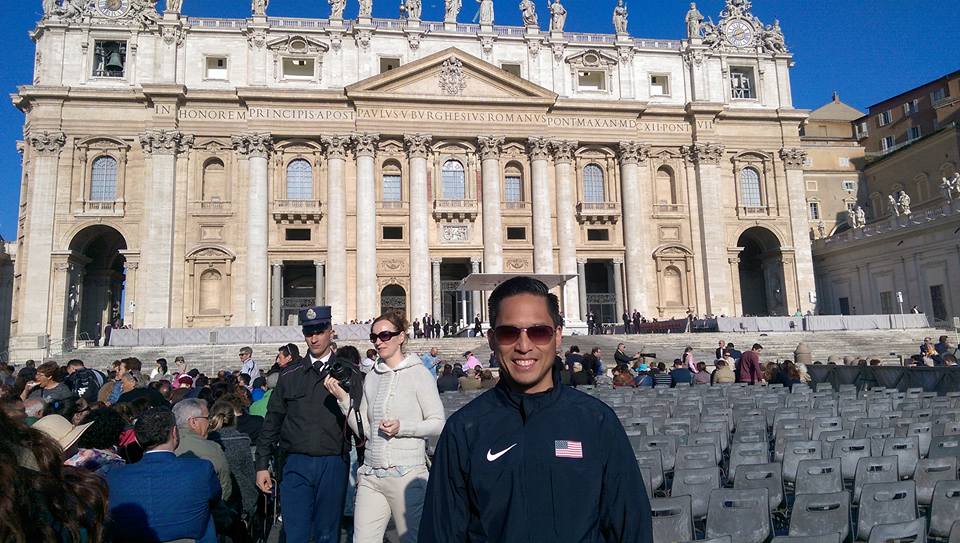
(Sunday Mass at the Vatican)
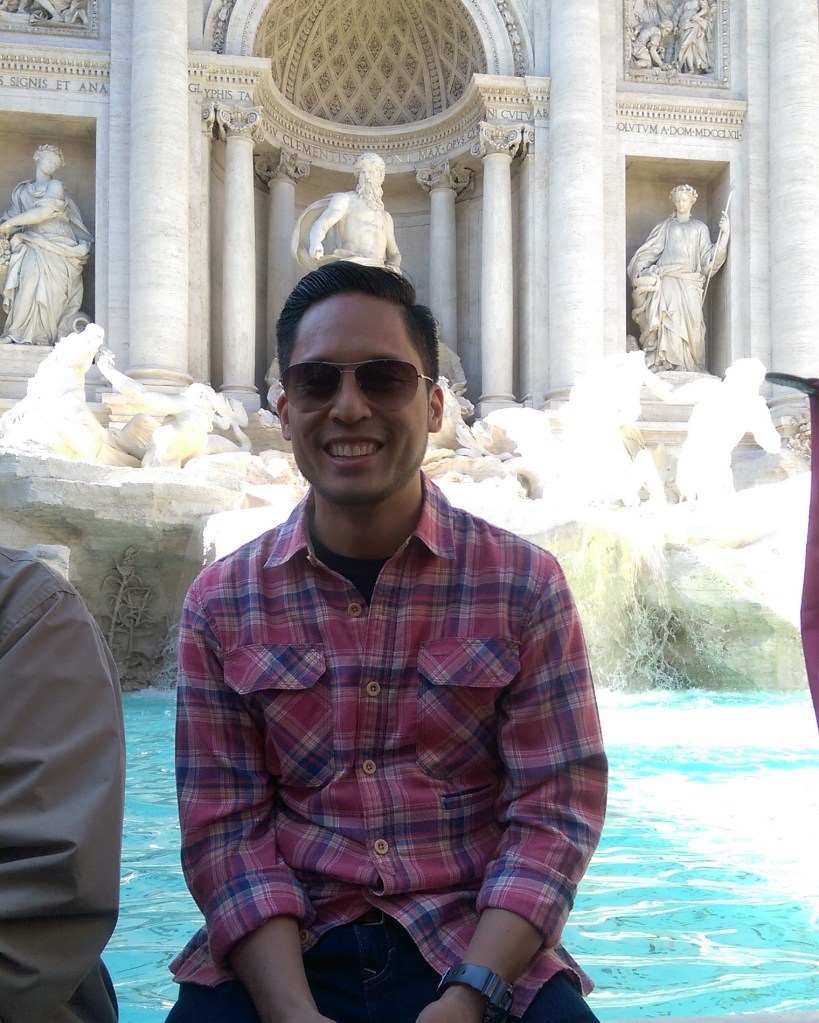
(Trevi Fountain)
 theNYCphysio
Leave a comment