
Most of us in the world of sports medicine dream of working with athletes at the highest level. For some, that level is the NBA, MLB, or NFL. For others like me, the ultimate goal is to represent Team USA at the Olympics. With the limited amount of credentials available to Team USA at the Olympics, the pool of providers that may be invited is very small. Also, because the Games are held every “quad,” it is even more difficult to be chosen as part of this select staff. Some of the best sports medicine providers I know have spent their careers trying to work at the Olympics with Team USA. It truly is a daunting task that seems to require a lot of patience, skill, time away from your family and practice, and luck.
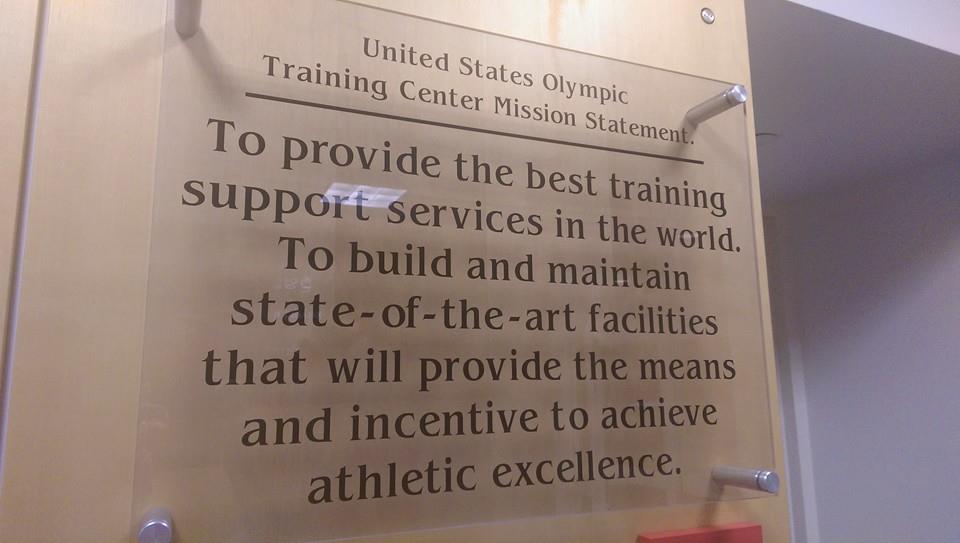
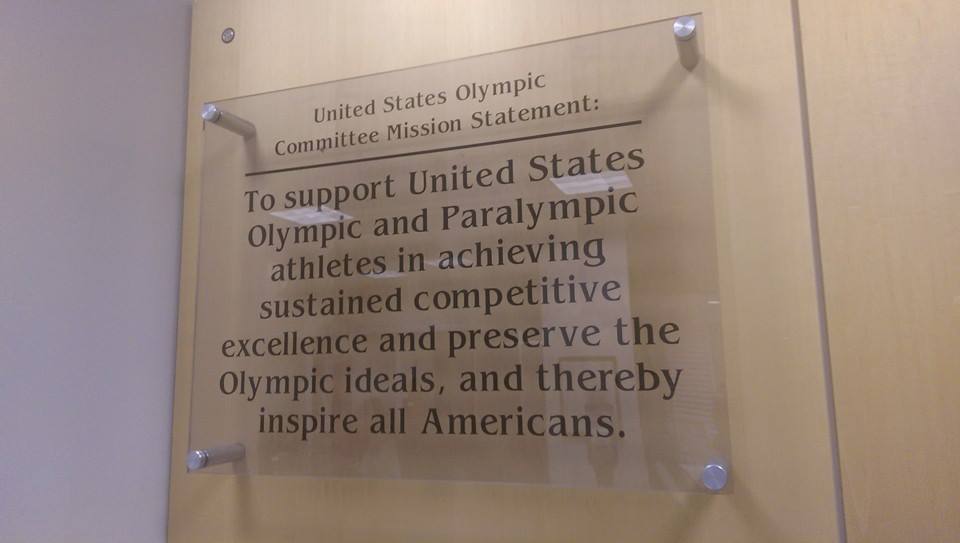
To be considered at all, the most important step is to apply for a one or two-week volunteer rotation with the USOPC at one of their Olympic Training Centers in Colorado Springs, Lake Placid, or Chula Vista. If chosen, you are sent an email with a list of dates that may be available for a rotation. Usually you can select up to 3 dates that may work for you. If you match their needs, they will send you an invitation. This process can be as quick as a few weeks or take as long as a few years.
No one outside of the USOPC really knows what goes into their selection process. Is it harder to get in as an athletic trainer than a physical therapist? Or a massage therapist? Or a chiropractor? I don’t have the slightest idea. One thing is for sure though, you should have an extensive background in sports medicine to even be considered. I have no idea why my application went through so quickly. My guess is because I was already affiliated and in good standing with an NGB. So maybe I was already somewhat vetted?
For those unfamiliar with NGBs, they are the National Governing Bodies for most Olympic Sports (eg. USA Basketball, USA Swimming, USA Wrestling, USA Track and Field, etc). They basically set the rules as to who qualifies for their teams domestically, internationally, and at the Olympic Games. For me, I was affiliated with US Ski and Snowboarding at the time.
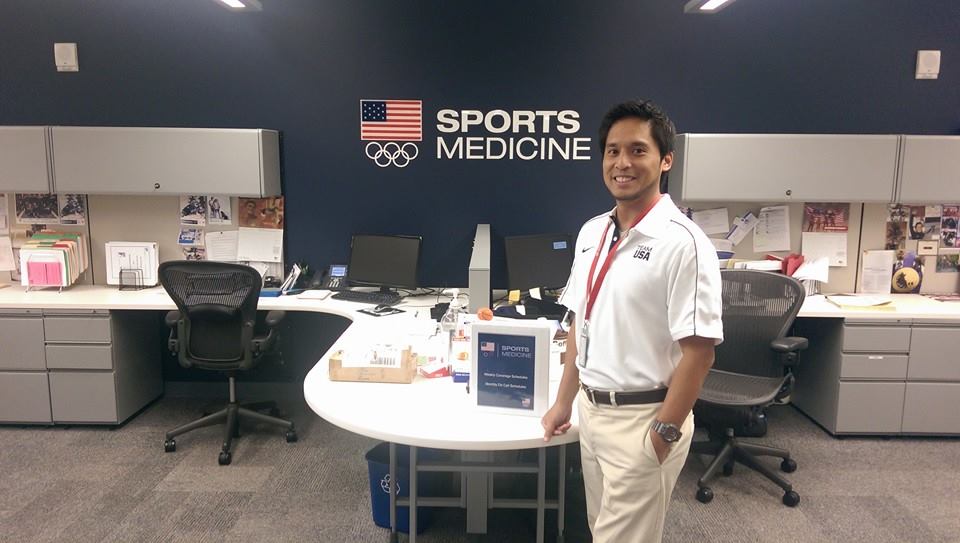
My first rotation was in August of 2014 at the Colorado Springs Olympic Training Center. I was housed in the dorms at the back of campus with another volunteer on rotation. When he walked in with his luggage, I noticed it was embroidered with the Golden State Warriors logo. After some small talk, it turned out he formerly worked for the Warriors as one of their MDs! At this moment I thought to myself, “This is the real deal! I am rooming with a sports medicine physician at the highest level of basketball!”
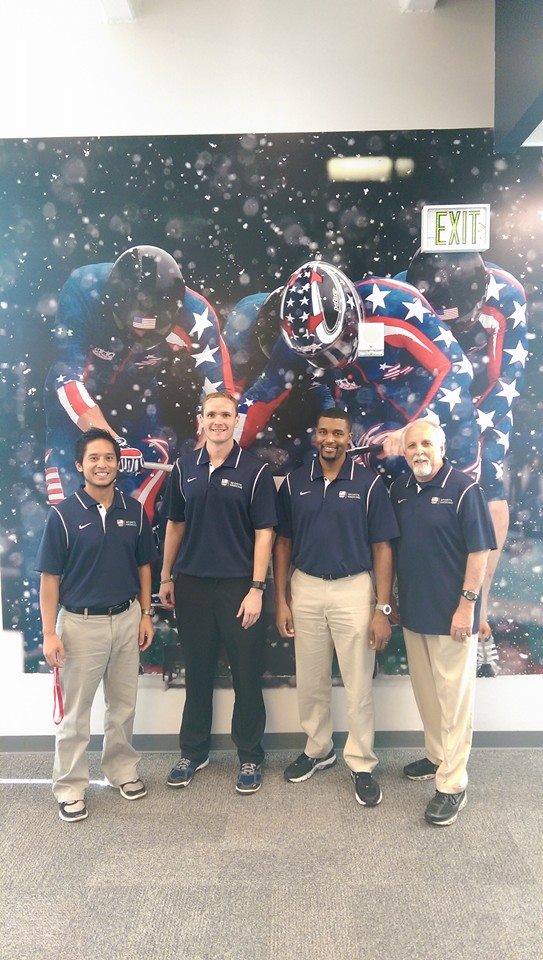
During this two-week rotation, I spent most of my time in the sports medicine clinic with the USOPC medical staff and the other volunteers. Along with me and the MD, was an athletic trainer and chiropractor. Although some athletes worked specifically with the USOPC staff, most athletes worked with whomever was available. While on my table, I was either rehabbing the athletes, helping them with recovery, or performing some other manual skill to help them improve their performance. All the while, the USOPC staff kept a keen eye on how I interacted with the athletes and the other providers. When my schedule was light, I mostly folded the fitted sheets while waiting for athletes to come in before or after practice. Those who’ve done a rotation can fully attest that this is a tediously daunting task! If my schedule was still light, I could ask to observe/shadow practices throughout the campus. I observed swimming, wrestling, judo, boxing, and men’s gymnastics. On the days I was not in the clinic, I covered practices for wrestling and men’s gymnastics.
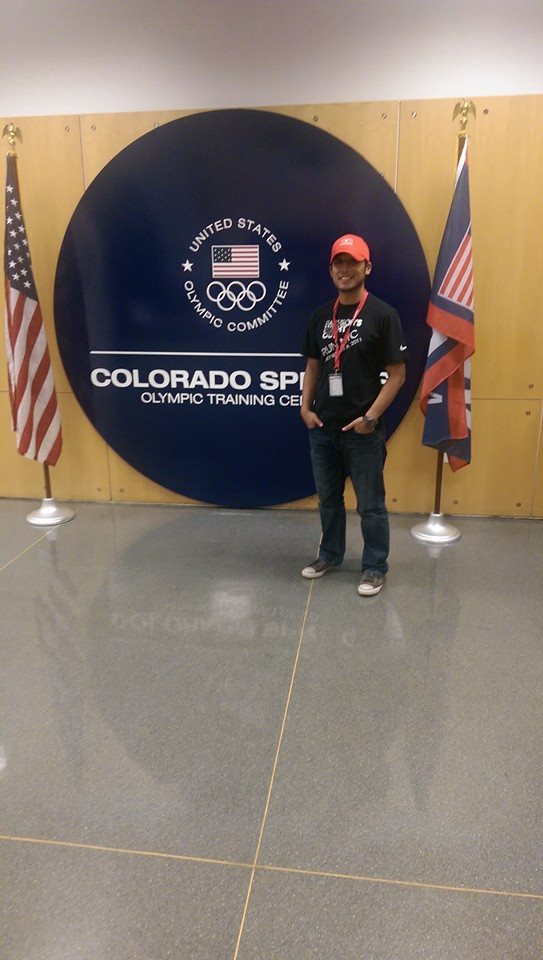
My second volunteer rotation at the OTC lasted one week in January of 2016. For the most part, this experience was the similar to my first rotation. Once again I stayed in the dorms. This time, though, my roommate was a physical therapist from Salt Lake City. The third volunteer was a chiropractor. There wasn’t an MD volunteering with us this time. Most of the athletes on campus were from USA Swimming, getting ready for the upcoming 2016 Rio Olympic Games. As such, I met a few of their “usual” sports med providers who were also there during my rotation. One was a physical therapist from Cal. The other was a massage therapist from the Seattle area. They were really great to work with and made my life easier as they already knew the athletes. I even co-treated a few of their athletes with them. As fun as it was, unfortunately a stomach bug was going through the campus. It hit my roommate really hard. So I had to take up the slack in the clinic for a few days. Boy did I wish we had an MD with us that week! At some point though, they were able to coax an MD from Boulder to come down and help treat whatever was spreading throughout campus. Thank god I didn’t get sick. But some of the swimmers were not so fortunate.
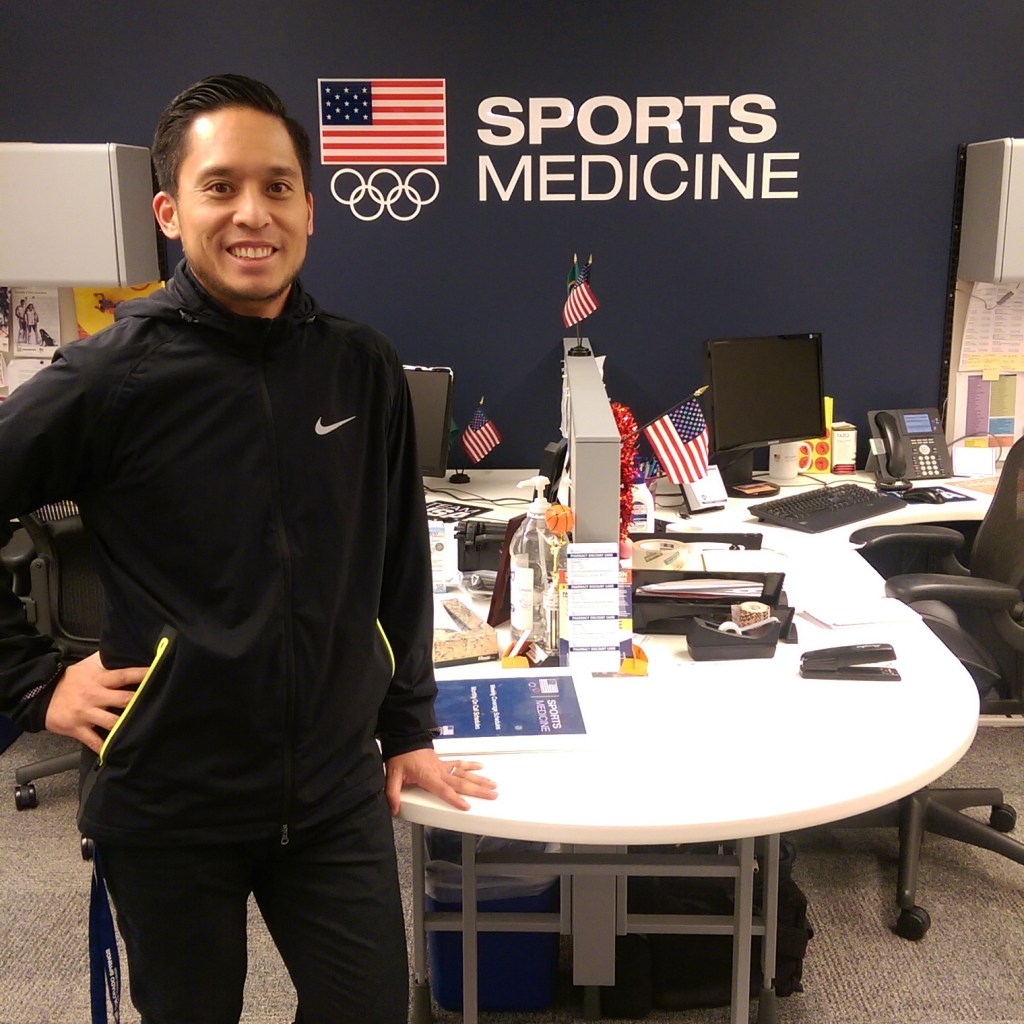
One of the advantages of doing a volunteer rotation at the one of the Olympic Training Centers is networking. If you do a great job, there is a high probability that an athlete or coach may request you to travel with their team down the line. This is one surefire way to get you into an NGB you’ve probably never thought of working with, such as USA Fencing or USA Curling. Of course if they like you, they may even invite you to travel with them to major events that can lead to a recommendation to the USOPC to be part of their staff for the Olympic Games!
Another path to the Olympic Games is directly through the USOPC. If they were impressed with your skills while on rotation, they might invite you to the be a part of their own staff at the Olympic Games. In this case, you may cover some events for Team USA, however you will probably not be with any specific team and will spend most of your time at the Team USA medical clinic in the Athletes Village (not to be confused with the Polyclinic, which is run by the local organizing Olympic committee).
It has now been almost a decade and four Olympic Games since my first rotation. Over time, I will post about my experiences traveling with the USOPC and Team USA. So far though, working the Olympics with Team USA hasn’t happened yet. I think I’ve been really close a couple of times, but in the end I was not asked. It’s heartbreaking, but I hope my time will come eventually.
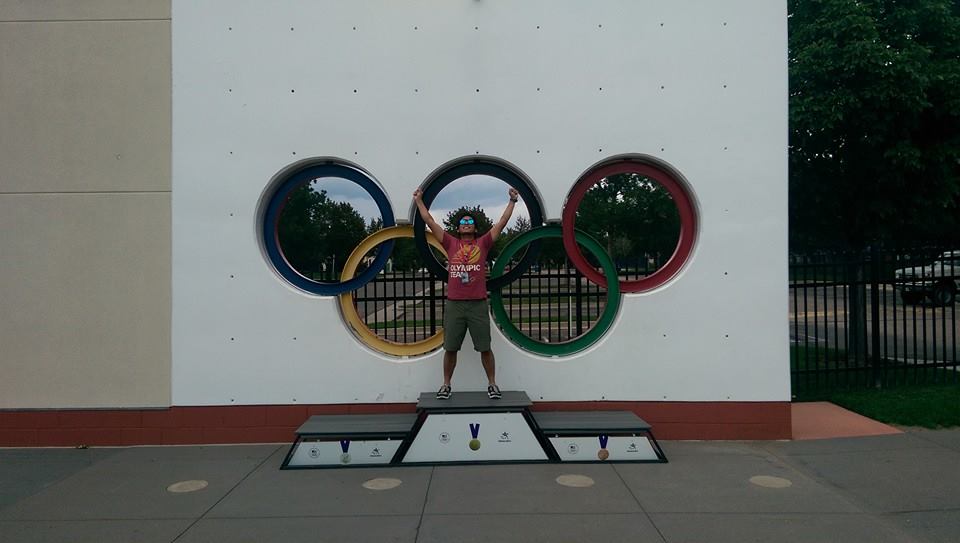
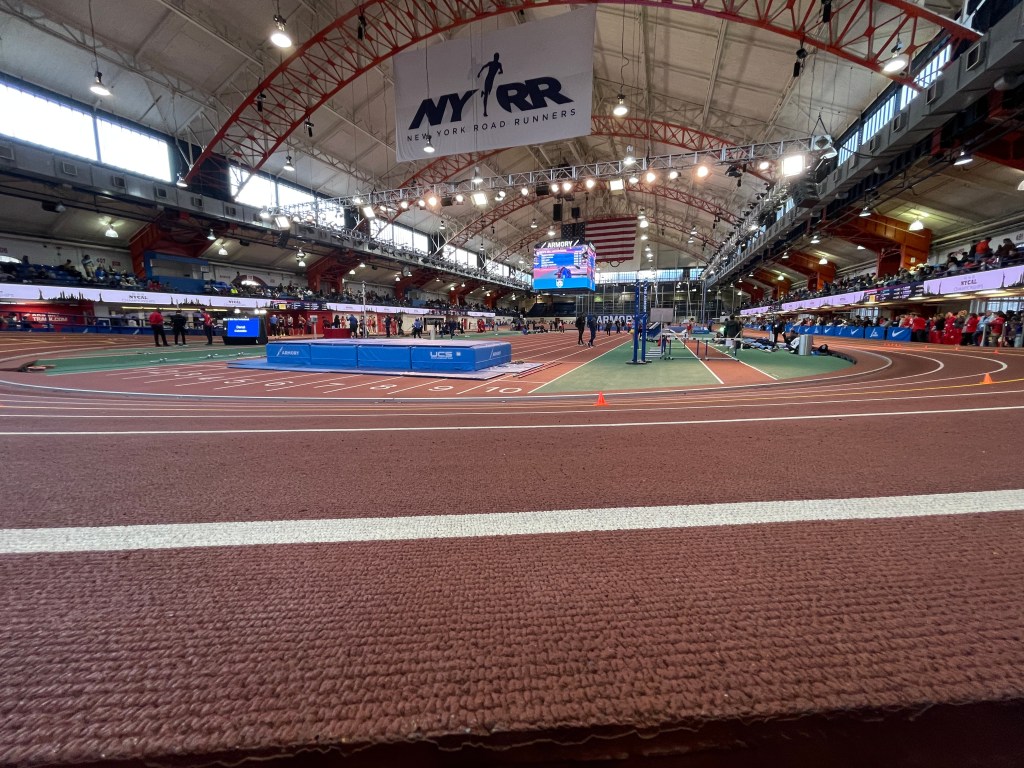
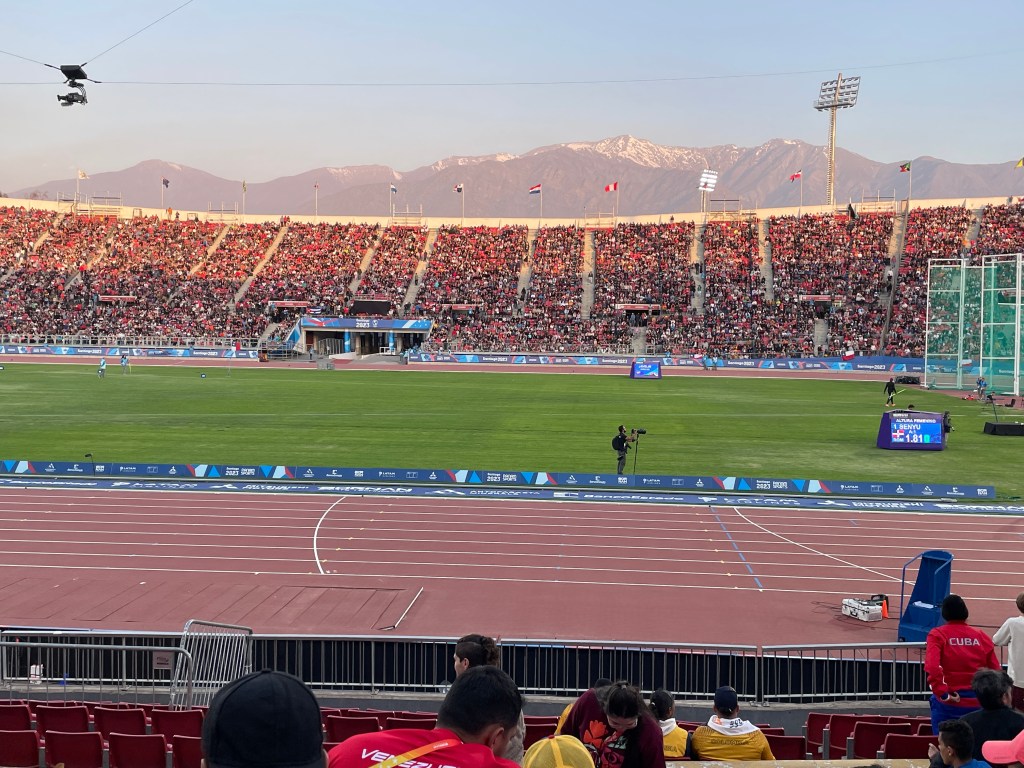
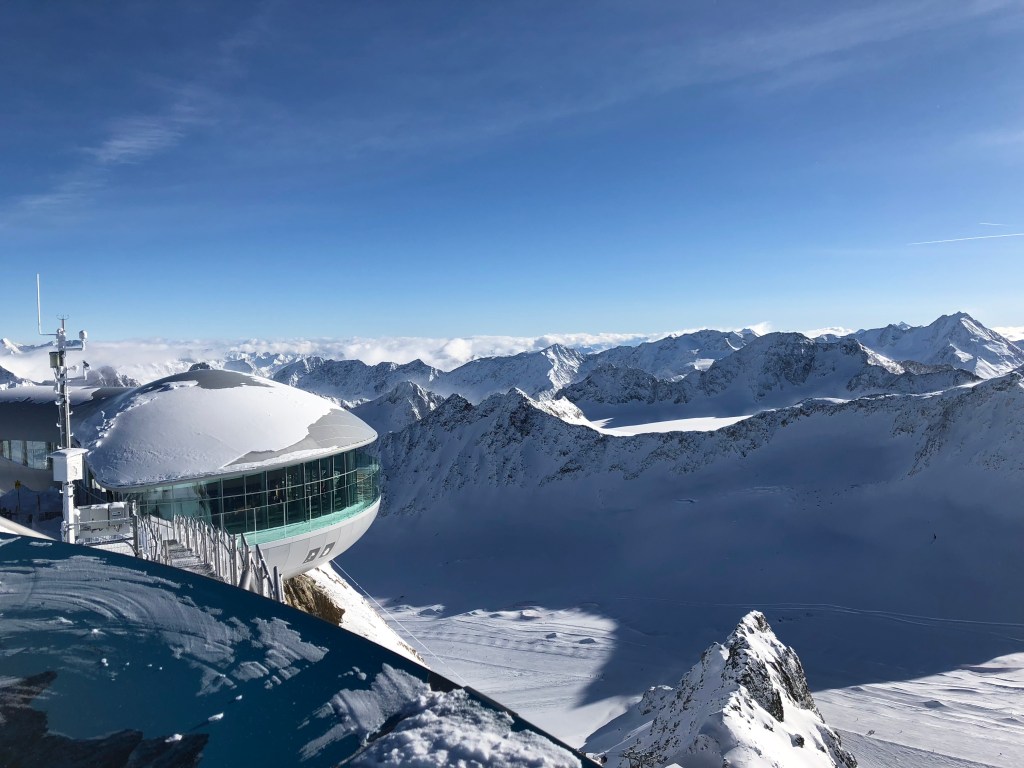
Circling back to my first rotation, I give a lot of credit and thanks to my roommate (the former Warriors MD and, more recently, the MD for the NBA “bubble” during the pandemic). He went on to represent Team USA as one of the MDs at the 2016 Rio Olympic Games with USA Track and Field. It was through him that I connected with USA Track and Field. Since then, I’ve been off and “running” quite often with them as my “warm weather” NGB sport! It’s definitely a nice break from freezing on the cold mountains with US Ski and Snowboarding.

 theNYCphysio
Leave a comment