I cant believe my first trip with US Ski and Snowboarding was at the 2012 Dew Tour in Killington, VT. Along with an athletic trainer, we were in charge of all the freeskiers and snowboarders (slope and pipe) at that event. It was the perfect event to start my journey with these elite winter athletes, but it also ended up being one of the most difficult events I have ever worked at as well (more on this later) .
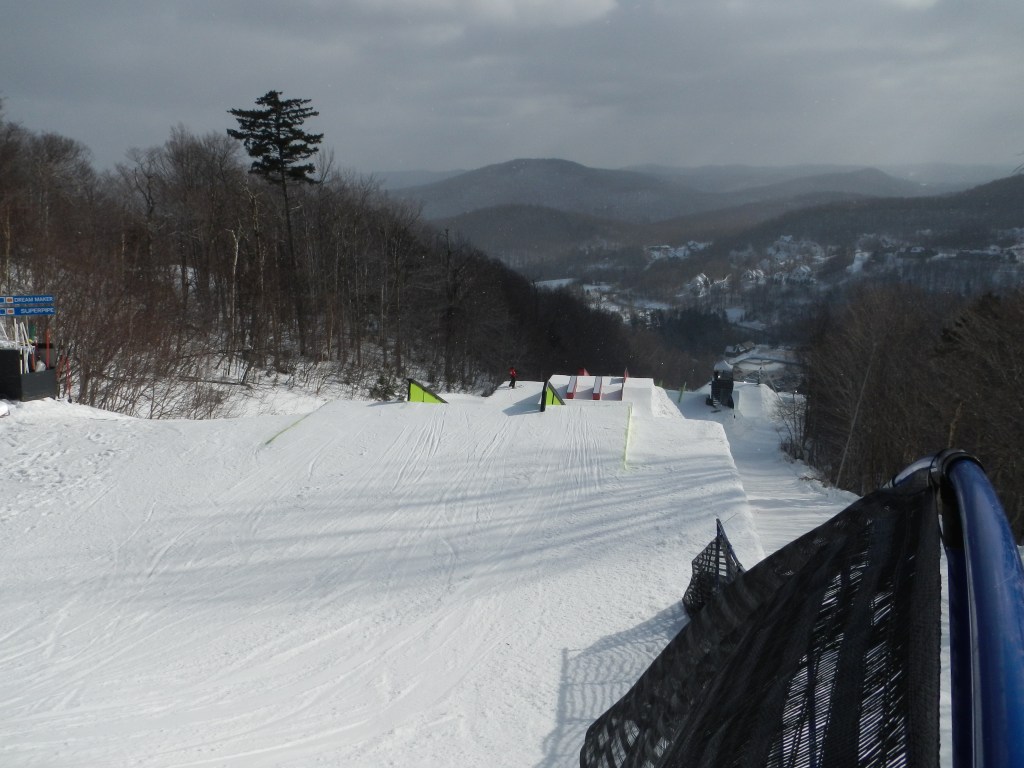
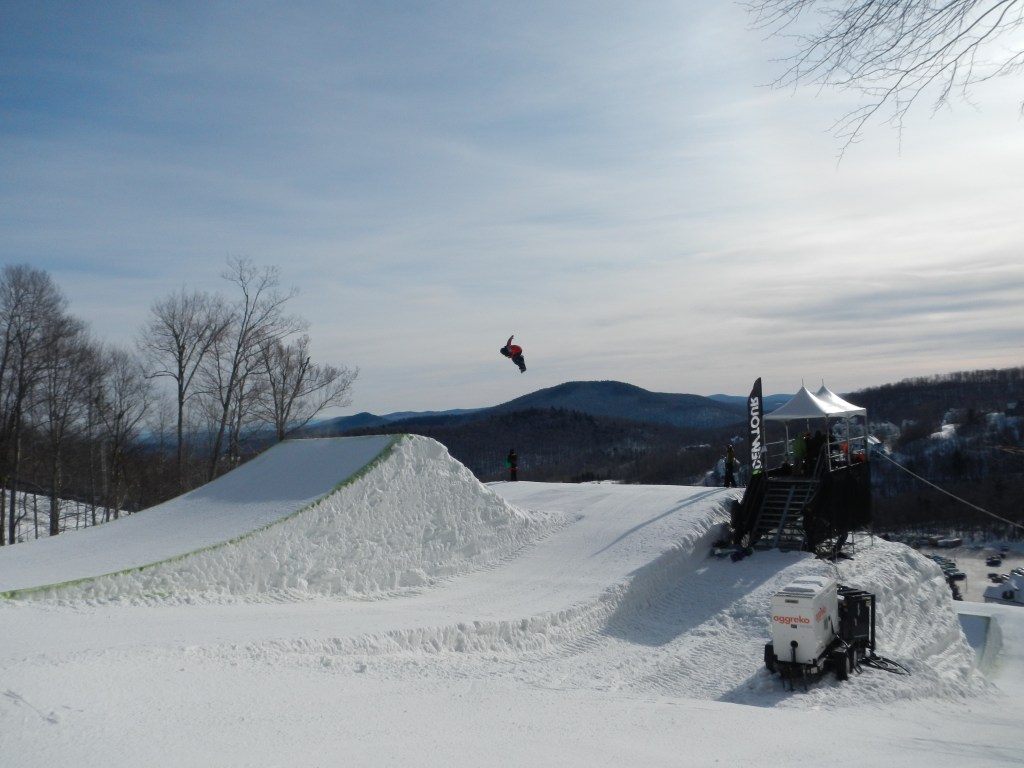
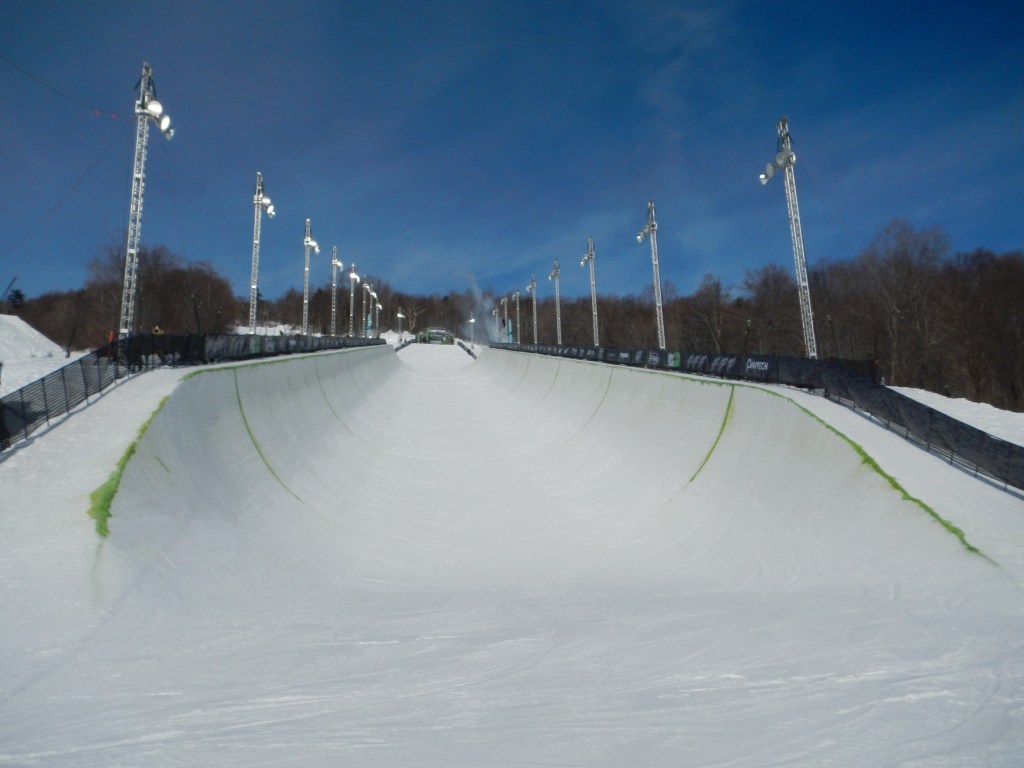

Back in 2012, the world of freeski and snowboarding was arguably still seen as “extreme” sports. Many athletes I worked with at the time were just getting introduced to the world of sports performance and did not know what I could offer them. Previously, it seemed many athletes in these disciplines believed they could rely on their god-given talents. And for the most part they were correct. However, these sports are progressive. So to win, they needed to push the envelope by adding that extra flip, twist, or spin. As the tricks got trickier and the jumps got higher, they could no longer rely on their natural abilities. It was around this time when I started noticing a shift in their mental and physical approach to their training.
A few years before, US Ski and Snowboarding (known as USSA back then) finally built their headquarters in Park City, Utah. It was called the Center of Excellence (COE for short). It included everything from the latest testing and training technologies to nutrition. From foam pits to start gates. And most importantly, it included sports medicine as a part of their entire sports performance package. With this, they created a pool of providers to travel with their teams. I was fortunate as I was finishing my final clinical affiliation in Vail at the time. So the timing couldn’t have been more perfect for me to get involved.
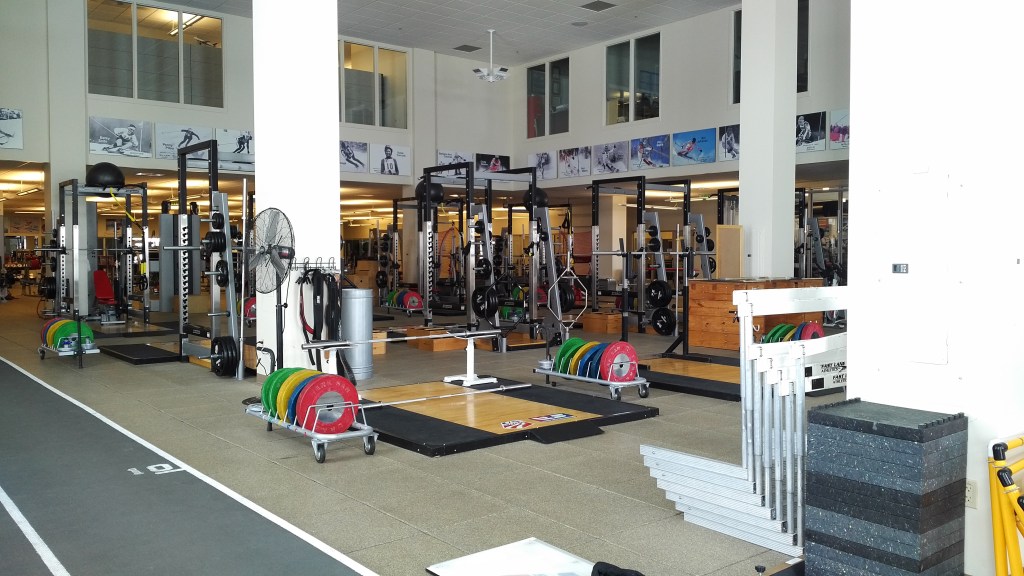
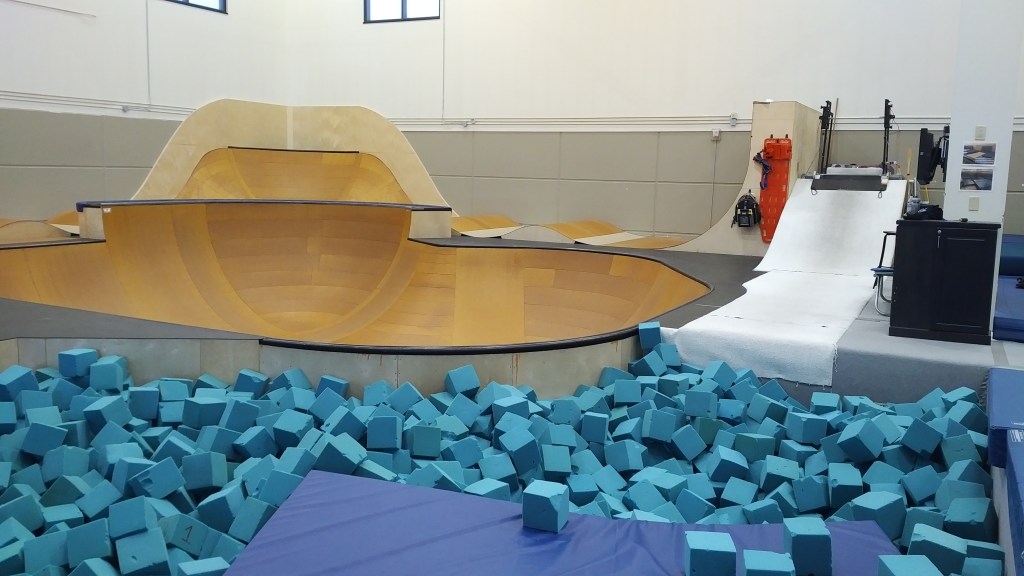
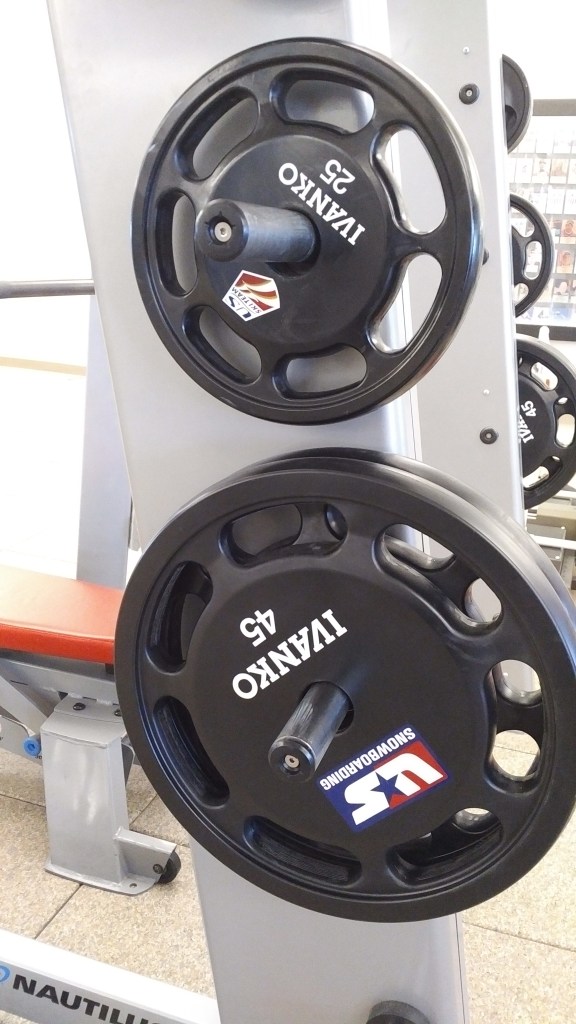
In 2011, slopestyle and ski pipe were added as medal sports to the 2014 Winter Olympic Games in Sochi. So in 2012, the Dew Tour (along with the X Games) acted as breeding grounds for many future Olympic hopefuls and champions! For the most part, the event went off without a hitch. Yes, there were a couple of major injuries like ACL tears. But it went well. Until it kind of didn’t.
A week before the event, one of the pioneer freeskiers who played a big part in getting freeski halfpipe into the Olympics, Sarah Burke, had an accident on the pipe. She sadly passed away while we were at the Dew Tour. Many of her closest friends were competing. And understandably so, many were heartbroken and distraught. Time slowed down with all the heavy hearts. As I treated many of these athletes, they cried on my table. I didn’t know Sarah, but through her colleagues and friends, I heard some of the most endearing stories about her charisma and spirit. And through her, the sport grew.
Looking back, this was the first time I truly realized the importance of mental health in sport. Elite athletes, even with all their focus and drive, are just as vulnerable as the rest of us. And as a physio, many times we are the first person they talk to.
It’s been over a decade since the Dew Tour and this is the first time I have put this down in writing. I am glad I was there, even with all the sadness. As a team physio, we wear many hats. Although, this was the first time I tried this hat on.
 theNYCphysio
Leave a comment